It's easy to overspend on a home gym by buying equipment in the wrong order, expensive machines before basic essentials, or novelty items before the tools that actually expand what you can train. Here's a practical priority order based on cost-to-benefit, not what looks impressive in a photo.
Tier 1: buy these first (highest value for the money)
Adjustable dumbbells. A single pair of adjustable dumbbells (typically adjustable from 2.5-25kg or more per side) replaces an entire rack of fixed dumbbells at a fraction of the space and often a fraction of the total cost. This is the single highest-value purchase for a home gym, it covers presses, rows, curls, lunges, and dozens of other movements.
A pull-up bar. A doorframe pull-up bar costs very little and unlocks an entire category of back and bicep training (pull-ups, chin-ups, hanging leg raises) that's otherwise very hard to replicate at home.
Resistance bands. Cheap, compact, and genuinely useful for warm-ups, assistance work, and adding resistance to bodyweight movements. A set of bands costs a fraction of almost anything else on this list.
Tier 2: worth it once you outgrow Tier 1
An adjustable bench. Combined with adjustable dumbbells, a bench (flat/incline/decline) meaningfully expands your exercise options, incline presses, step-ups, single-leg work, that aren't possible standing on the floor alone.
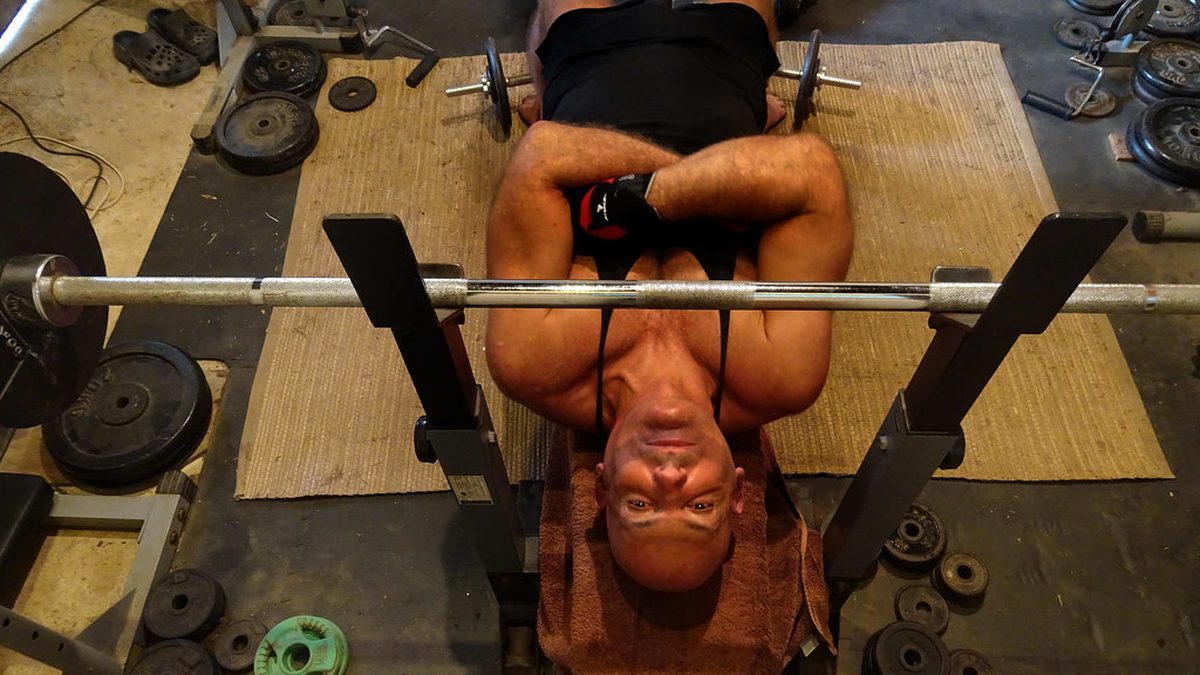
A barbell and plates. Once dumbbell weight starts feeling genuinely light for compound lifts (common after several months of consistent training), a barbell setup allows much heavier total loading than dumbbells practically allow, particularly for squats and deadlifts.
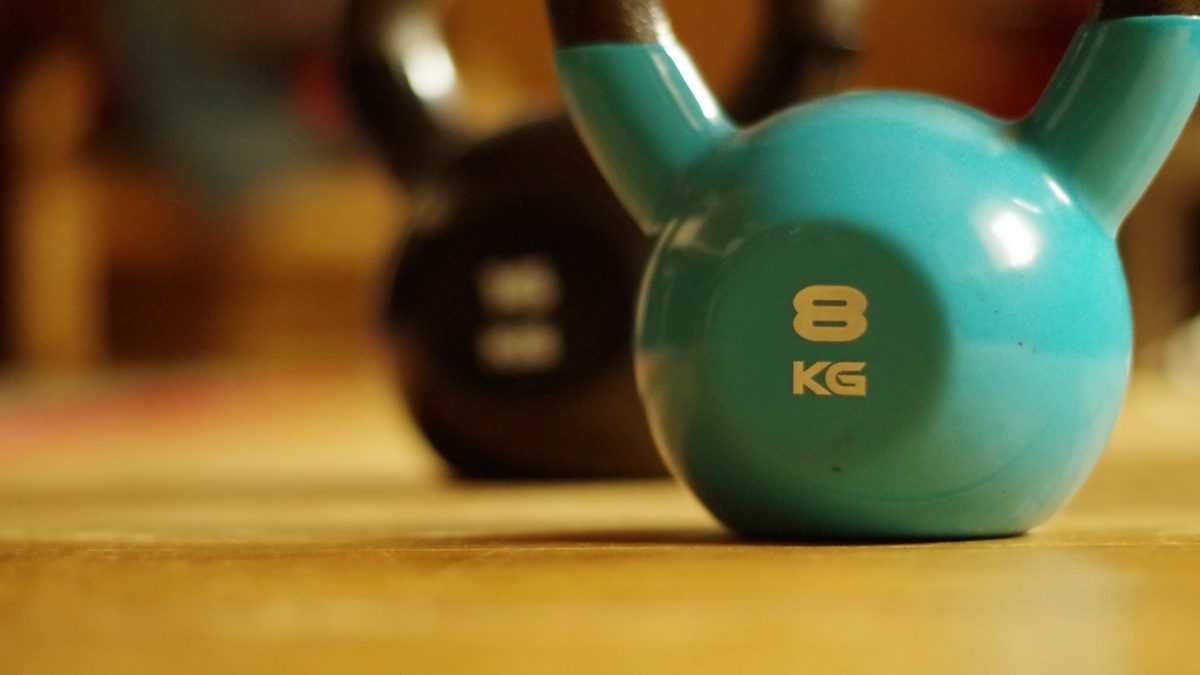
Kettlebells. A couple of kettlebells in different weights add swings, goblet squats, and carries to your routine, movements that work well as either a strength or conditioning tool depending on how you use them.
Tier 3: only if you have the space, budget, and specific need
A squat rack / power cage. Genuinely valuable if you're going to barbell squat or bench heavy without a spotter, since it provides safety bars to catch a failed rep. This is a real safety consideration, not a luxury, if you're training heavy barbell lifts alone, but it's also expensive and takes real floor space, so it belongs later in the priority order, not first.
Cardio machines (treadmill, bike, rower). These are expensive relative to what they do, and outdoor walking/running or a cheap stationary bike often provide most of the same benefit for a fraction of the cost, worth it mainly if weather, safety, or space genuinely prevents outdoor cardio where you live.
What to skip entirely for most people
Single-purpose machines (a dedicated leg extension machine, a cable crossover tower), these do one thing each, take significant space, and cost more than equipment that covers many exercises. Unless you have a specific, serious need for the exact movement pattern they provide, dumbbells and a bench cover the same muscle groups more flexibly.
"As seen on TV" fitness gadgets, vibration platforms, ab-specific machines, and similar novelty equipment rarely deliver results proportional to their cost or the space they occupy.
A realistic starter budget
A genuinely capable home gym, adjustable dumbbells, a pull-up bar, and resistance bands, can be assembled for a modest budget and covers the large majority of a well-structured strength program. Everything past that tier is a real upgrade, but not a requirement to train effectively. Build up gradually as your training experience (and your sense of what you'll actually use consistently) grows, rather than buying everything at once.