Photo by nenadstojkovicart, licensed under CC BY 4.0.
"I don't have a gym" is one of the most common reasons people put off training, but it's not actually a barrier. Bodyweight training, done with intention and progression, builds real strength and muscle. Prisoners, gymnasts, and calisthenics athletes build impressive physiques with nothing but their own bodyweight and gravity.
The key: progression, not just repetition
The mistake most people make with home workouts is doing the same 20 push-ups and 20 squats forever. Without progression, making the exercise harder over time, your body has no reason to adapt further. The fix is progressing through harder variations as easier ones become manageable.
A sample full-body routine (3x per week)
- Squats: Bodyweight squats, then Bulgarian split squats, then single-leg pistol squat progressions
- Push: Knee push-ups, then standard push-ups, then decline push-ups (feet elevated), then archer push-ups
- Pull: Doorframe rows (using a sturdy door edge or towel); if you have any bar to hang from, even a playground bar, add pull-up progressions
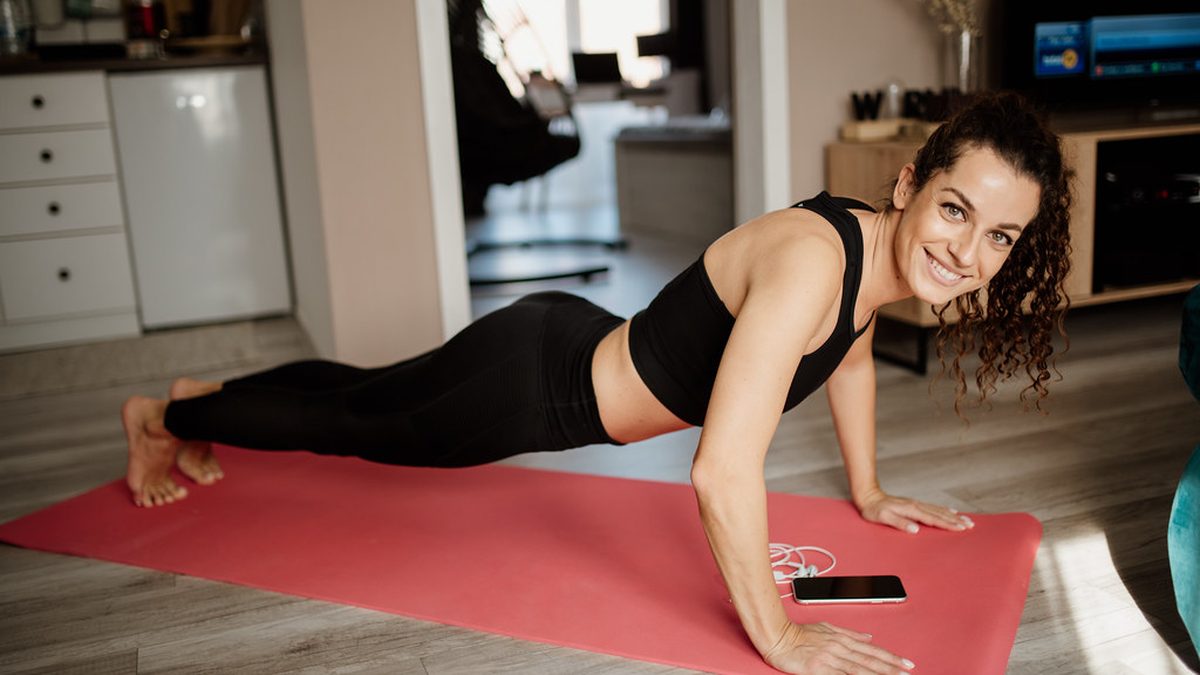
- Core: Plank holds, progressing to longer duration, then to harder variations like plank shoulder taps
- Hip hinge: Glute bridges, then single-leg glute bridges, then Nordic curl progressions (advanced)
Aim for 3-4 sets of each, working to a point where the last 2-3 reps feel genuinely challenging with good form.
What if a variation feels too easy?
Slow down the tempo: a 3-second lowering phase makes any bodyweight exercise noticeably harder. You can also add pauses at the hardest point of the movement (like a 2-second pause at the bottom of a push-up), or simply add more total reps/sets before progressing to the next variation.
What if it feels too hard?
Regress to an easier version rather than grinding through bad form. Knee push-ups instead of full push-ups, or holding a doorframe for balance during single-leg work, are both completely legitimate ways to build toward the harder variation.
Don't skip recovery just because there's no barbell
Bodyweight training still creates real muscle fatigue and micro-damage that needs recovery. The American College of Sports Medicine recommends at least 48 hours before training the same muscle group intensely again. Eat enough protein and get consistent sleep, the same recovery rules apply whether you're using a barbell or just your own bodyweight.