"Drink 8 glasses of water a day" is one of the most repeated pieces of health advice, and also one of the least personalized. Your actual hydration needs depend heavily on your bodyweight, activity level, climate, and how much you sweat, not a flat number that applies to everyone equally.
Why hydration actually matters for training
Even mild dehydration, as little as 2% of bodyweight lost through fluids, has been shown to measurably reduce strength output, endurance, and concentration during exercise. You don't need to be severely dehydrated to feel the effects; a workout that feels harder than it should is sometimes simply a hydration issue.
A more practical target than "8 glasses"
A reasonable baseline is roughly 30-35ml of water per kilogram of bodyweight per day, adjusted upward on training days or in hot climates. For a 70kg person, that's roughly 2.1-2.5 liters as a baseline, more on a hard training day, especially if you're sweating heavily. This lines up closely with the ranges the National Academies' dietary reference intakes for water lay out. FitPlanCoach's water tracker calculates a personalized target based on your bodyweight automatically, rather than using a flat number.
Do you need electrolytes?
For most people doing moderate exercise (under an hour, not in extreme heat), plain water is genuinely sufficient. Electrolyte drinks become more relevant for longer endurance sessions (90+ minutes), very hot conditions, or if you're someone who sweats heavily and notices cramping. For a standard gym session, they're a nice-to-have, not a necessity.
Simple ways to actually hit your target
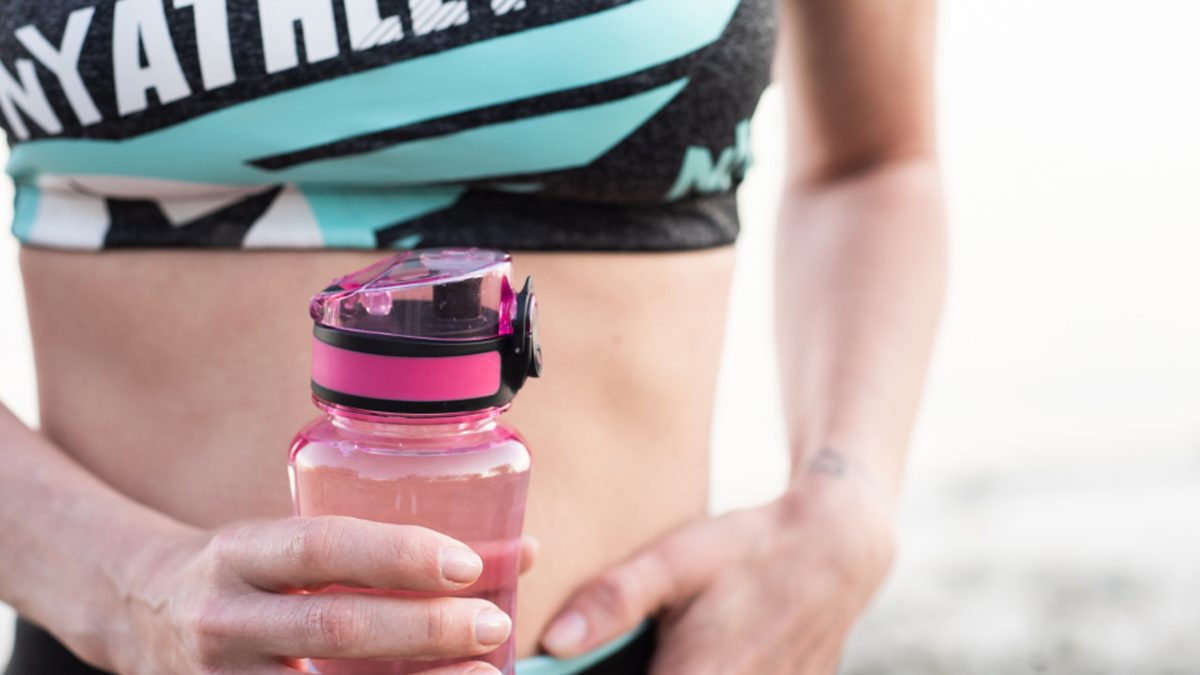
- Keep a water bottle visible on your desk, visibility alone measurably increases how much people drink.
- Drink a glass with each meal as a built-in habit trigger rather than relying on remembering.
- Log it in FitPlanCoach's water tracker, seeing the running total during the day makes it much easier to notice you're behind before evening rolls around.
Signs you might be under-hydrated
Dark yellow urine, unusual fatigue, headaches, and workouts that feel harder than they should for the same weights are all reasonably reliable signs. You don't need to obsess over water intake, but paying attention to these signals, especially on hot or high-training-volume days, is worth doing.